A YouTube channel with no face, no camera,
no editor.
How a person — or a business — starts a faceless channel from zero: an idea goes in, an upload-ready video comes out. Narration, illustrated stills in one locked style, on-screen text, music, thumbnails, description. Eight stations, three decisions, one chat. This page is the map, the demo and the step by step.
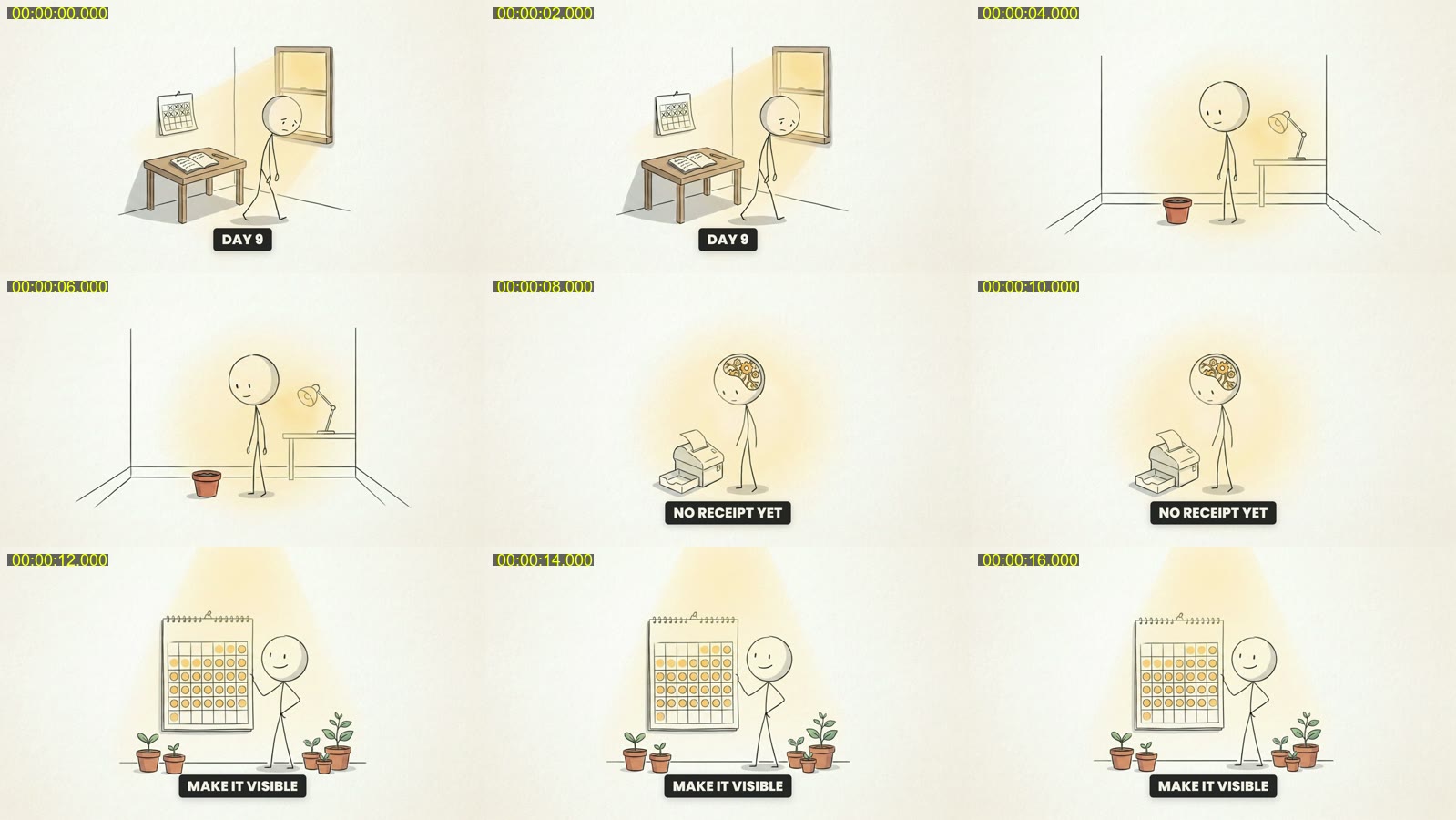
Eighteen seconds. Zero human hands between the idea and the file.
A three-sentence test script, spoken by a cloned voice, cut into four shots on its own phrase boundaries, four illustrations generated in one style from one reference image, assembled and rendered with the on-screen words as real type. It is a smoke test, not a hit video — and it is exactly the pipeline a ten-minute video runs through, 150 images instead of four.
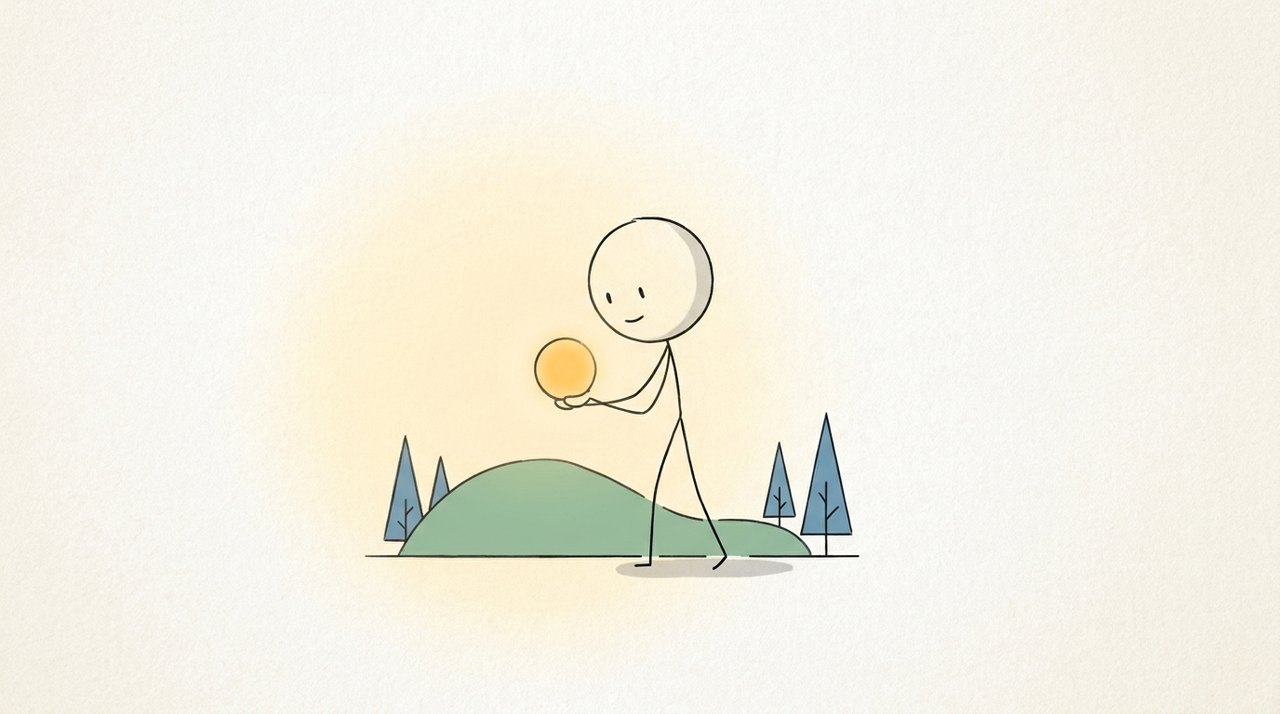
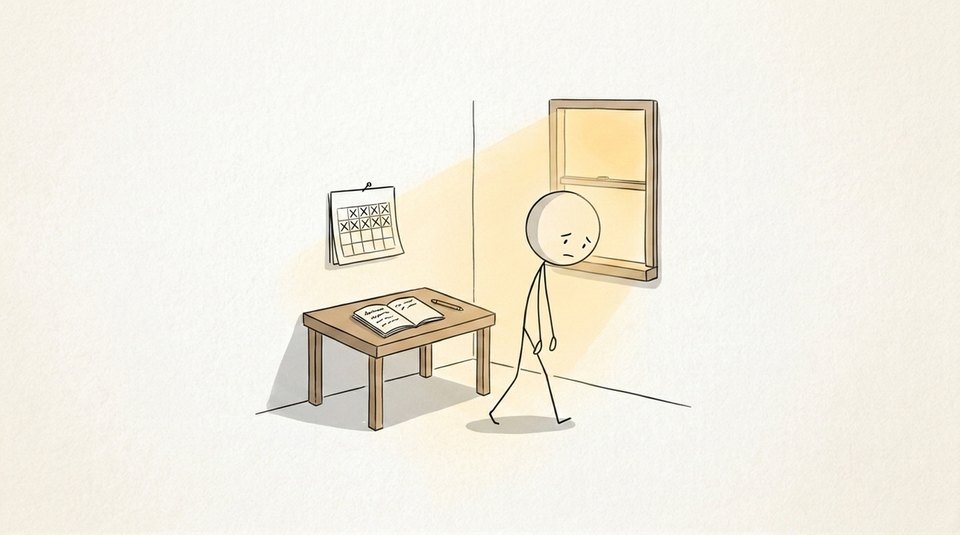
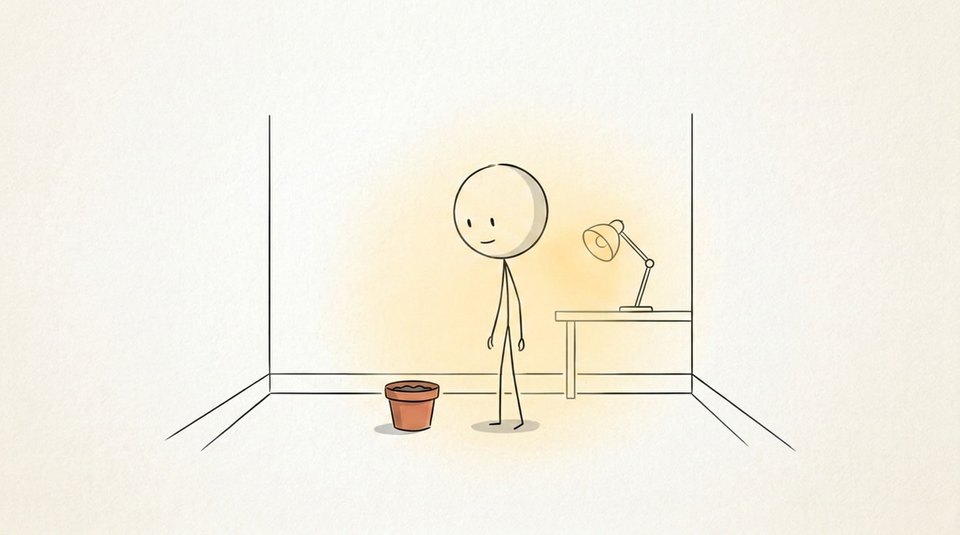
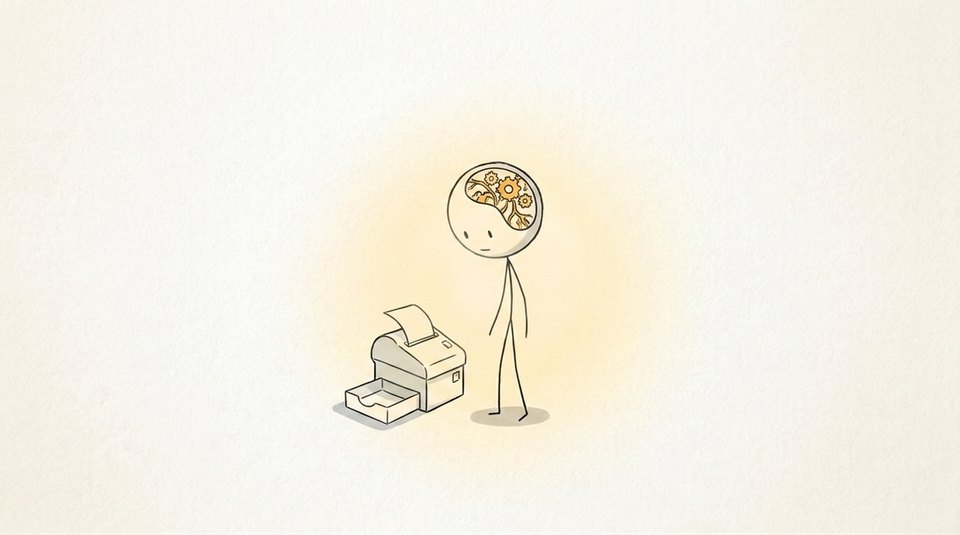
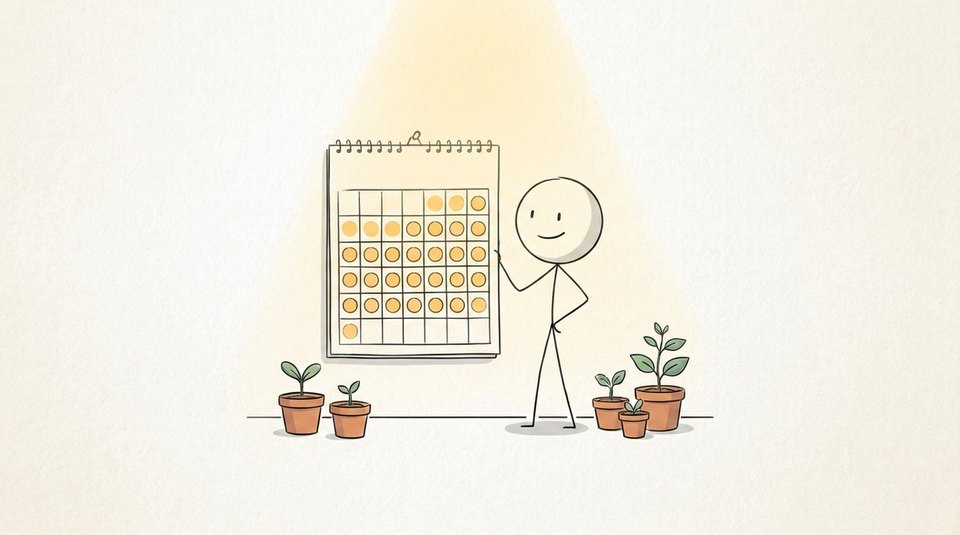
One person. Or one business. Starting from zero.
Faceless explainer channels are usually run by hand: a chat prompt for ideas, another for the script, a voice tool, a transcriber, one image prompt per timestamp, a drag-and-drop edit, an upload form. It works — channels with a handful of videos and tens of thousands of subscribers exist in every explainer niche — and it burns a day per video. These eight stations keep that shape and run it from files.
You have a topic you can explain and no wish to film yourself. You bring a niche and a voice — cloned, or the free local one — and the machine writes, illustrates, assembles and packages.
- a niche you can talk about for 50 videos
- a voice (yours cloned, or a free one)
- Claude Code + the Content OS
Explainers about your world — the questions customers ask before they buy — published every week under your brand, without a studio day. Same machine, your palette, your style key.
- a brand layer (colors, voice, audience)
- 3–6 competitor channels to model
- the keys: voice, images, transcription
Estimated, at published prices. You pay the providers directly; the OS orchestrates and adds nothing.
- voice ≈ 10k characters (ElevenLabs) or free (Kokoro)
- ≈150 images at 1K ≈ $6 (KIE) or ≈150 Higgsfield credits
- 3 thumbnails at 2K · render local, free, ~20 min
Claude produces start to finish. These are its hands.








How does an idea become an uploaded video?
Eight stations. Three are gates — you decide there; the system runs the rest. Every station reads and writes files in one folder, so the line resumes wherever it stopped, and a member who already has a script or a voice file enters mid-line.
What does a production company do… when there is no production company?
The same jobs a research desk, a writer, a narrator, an art director, an illustrator, an editor and a publisher would do. Each one is a skill; each skill writes files the next one reads.
RESEARCH DESK → ideas
Not guesses: the competitors' real view counts, ages and titles, pulled video by video. An idea is good when a channel's own audience over-reacted to it — that is a number.
EDITOR-IN-CHIEF → the pick
You choose the idea and the package direction from the top 10. Everything downstream costs money; this is the cheapest place to be wrong.
WRITER → the narration
The format comes from donor videos' beat maps; the facts come from research with links; the words are written to be spoken. On-screen notes and sources never enter the voice text.
DIRECTOR → the script
You read it. Voice and 150 images follow these words, so nothing past this gate changes them. Edits are per segment — cheap.
NARRATOR + ART DIRECTOR → voice and style
One WAV with word timings; one style descriptor plus one style-key image. Consistency is a reference image, not a paragraph of adjectives.
ILLUSTRATOR + EDITOR + PUBLISHER → the file
Shots on phrases, images in one look, type instead of painted text, music under the voice, a verified render, titles in the molds that already work in the niche.
One system. Idea in, upload out.
This is the Content OS: each station is a skill, the skills chain, and the whole line runs in one chat until the master and its package are on disk. Swap the style, the voice or the image provider and nothing else moves.
faceless-channel-setup
- name + handle that read as the niche
- logo + banner in the style key, no painted text
- description from keywords with real demand
- Studio checklist: country, keywords, watermark, auto-dub
faceless-niche-intel
- competitors scraped video by video
- outlier score = views ÷ channel median
- title molds from the real corpus
- 50 ideas scored → top 10 → you pick
faceless-script
- donor beat maps: structure, never lines
- truth-first research, two sources per number
- narration in segments + on-screen + claims
- 5 alternate hooks → you approve
faceless-voiceover
- cloned voice, or free local Kokoro
- ONE wav joined as PCM (no drift)
- word-level transcript = the clock
- bring your own voice file: enter here
faceless-storyboard
- style preset or a style read from references
- shots cut at phrase ends from the real timings
- one scene prompt per shot; text as a field
- validator refuses text-in-image → first 10 proof
faceless-visuals
- Nano Banana Pro via Higgsfield or KIE
- style key attached to every generation
- files named by index + second
- contact sheets, resume, regenerate rejects
faceless-assemble
- HyperFrames chunks ≤ 20 s at shot starts
- drift / push motion, on-screen type
- voice −14 LUFS, music ducked under it
- serial render, frame-verified, QA sheet
faceless-package
- 5 titles inside the niche molds
- 3 thumbnails in the style key, exact text
- description with chapters from real timings
- upload checklist → publish
UPLOAD-READY. NEXT IDEA.
- one folder, every file, resumable
- the same line for video two
- costs stated before you spend
The run, as it happened.
Every number below is from the files on disk, not from a plan.

One reference image is the whole style.
A style is three strings and one image: a descriptor (medium, palette, line, protagonist, background, composition), a negative, and a key image generated once from them. Change the file, and the same machine makes a different channel. Six presets ship; a custom style is read from the frames you love.
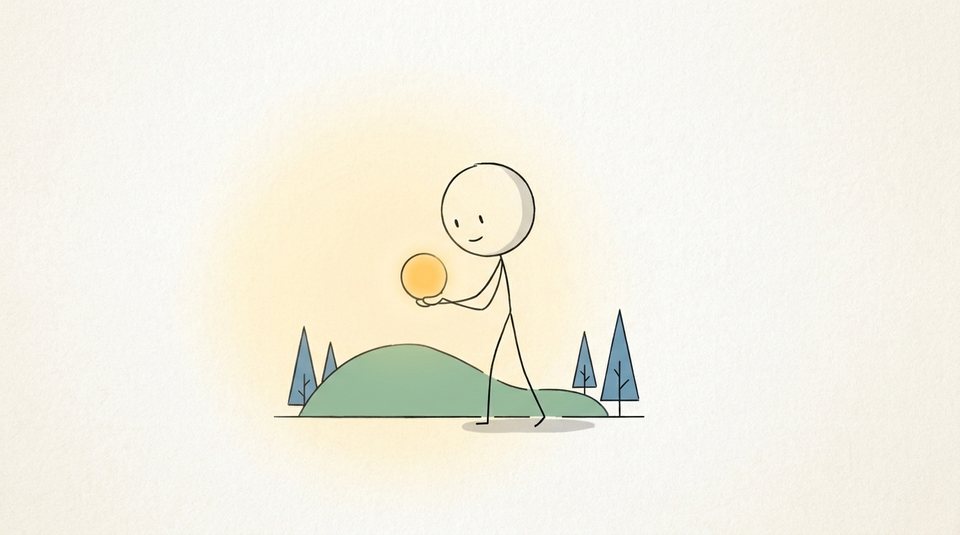 notebook-stick-figurethe grammar explainer audiences already reward — paper, ink, stick figure, one warm accent · DEFAULT
 flat-vector-editorialfinance / business / tech — navy, cream, coral, no outlines
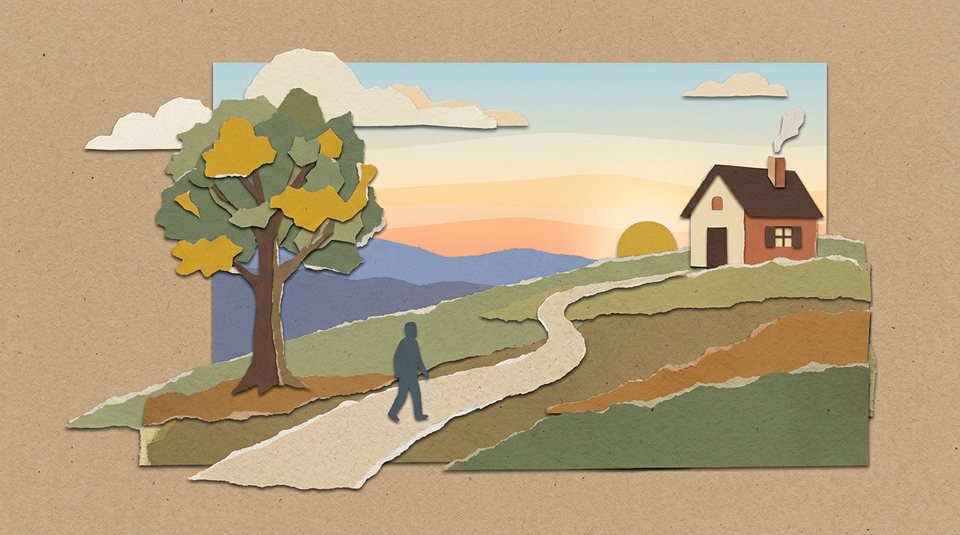 paper-cutout-collagehistory / storytelling — cardstock edges, kraft, one mustard accent
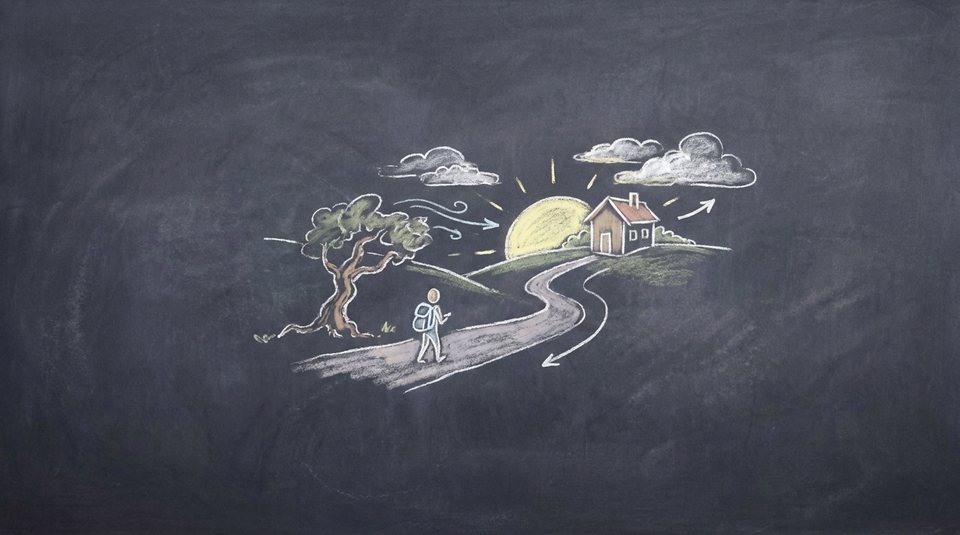 chalkboard-lecturescience / how things work — chalk on slate, one pale yellow
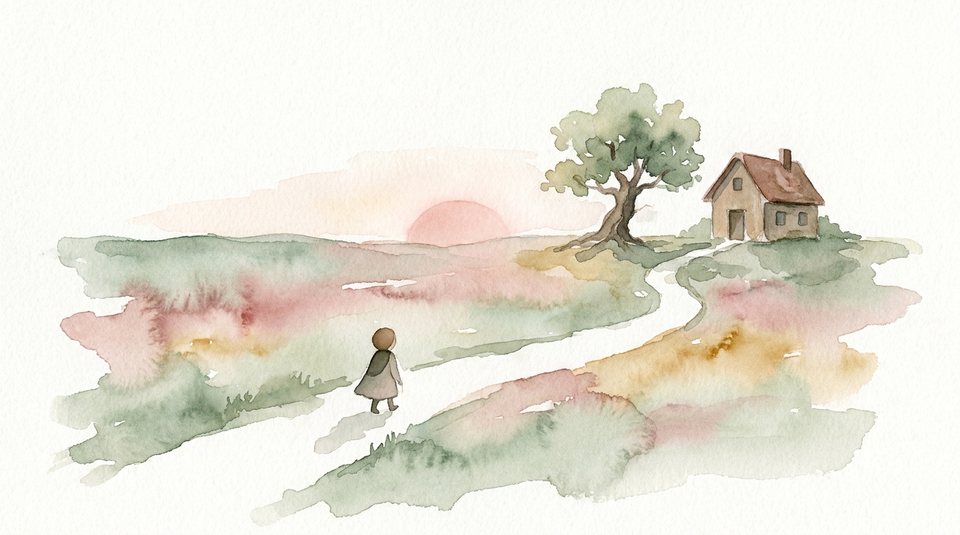 soft-watercolor-storywellness / reflective — washes, sage, rose, ochre
 retro-print-halftoneculture / economics — two-ink risograph, halftone
Why the machine is shaped like this.
From zero to the first video. In order.
You need the Content OS, which lives inside the Agentic AI Content community, and three keys. Then it is a chat with three decisions.
The community (Skool). The classroom holds Start Here → Foundations → Install the Content OS → the pipeline, station by station.
skool.com/ai-growth-collectiveInside Install the Content OS is the access form. Fork infinitx-hq/nave, clone it, run the installer: Node, Python, ffmpeg, HyperFrames, and a verified render before you touch anything.
.envASSEMBLYAI_API_KEY (the word timings), ELEVENLABS_API_KEY (your cloned voice — or skip it and use the free local voice), KIE_API_KEY (images by API) or a Higgsfield login. You pay each provider directly.
Name, handle, logo and banner in your style key, a description from keywords with demand, the Studio settings (country, keywords, watermark, auto-dub, phone verified). The kit is a checklist you click through.
"Set up the faceless channel for [niche]."faceless.config.jsonNiche, 3–6 competitor channels, voice, style preset, image provider, target minutes. One file; every station reads it.
One command. The machine scrapes the competitors and shows the top 10 (you pick), writes the script (you approve), generates the first ten images as proof (you check the style), then finishes: images, render, package.
/faceless-youtube — [your idea, or "find me the idea"]Title from the molds, thumbnail from the style key, description with real chapters, tags, category, language + auto-dub, unlisted → public after processing. Next idea, same folder structure, same line.
 Built into Nave · INFINITX. The same OS that produced this page: an idea enters, a video leaves ready for your review, and what you saw here — outliers, script, voice, storyboard, images, render, package — is one machine of the crew (faceless-machine).
Have something to explain? You have a channel waiting.
One machine, two doors: install it yourself inside the community, or have Nave Partners build and run the channel for your business.
PRODUCED BY ........ CLAUDE CODE (the Content OS)
VOICE .............. ELEVENLABS · KOKORO
EARS ............... ASSEMBLYAI
IMAGES ............. NANO BANANA PRO (HIGGSFIELD · KIE.AI)
RENDER ............. HYPERFRAMES
PUBLISH ............ ZERNIO · YOUTUBE STUDIO